The reported of cases of Legionellosis (Legionaires’ Desease) has been on the rise worldwide over the past few years. According to an August 27, 2025 article by Karen Felder, published by Harvard’s T.H. Chan School of Public Health, there has been a marked increase of Legionella (the bacteria that causes Legionellosis) outbreaks in the US, Canada and Europe and other post-industrial regions.
The Summer of 2025 saw 3 outbreaks in the US—in New York City, Berkshire County, PA and in Marshalltown, IA. The case in Harlem caused over 100 people to be hosiptalized and 7 deaths.
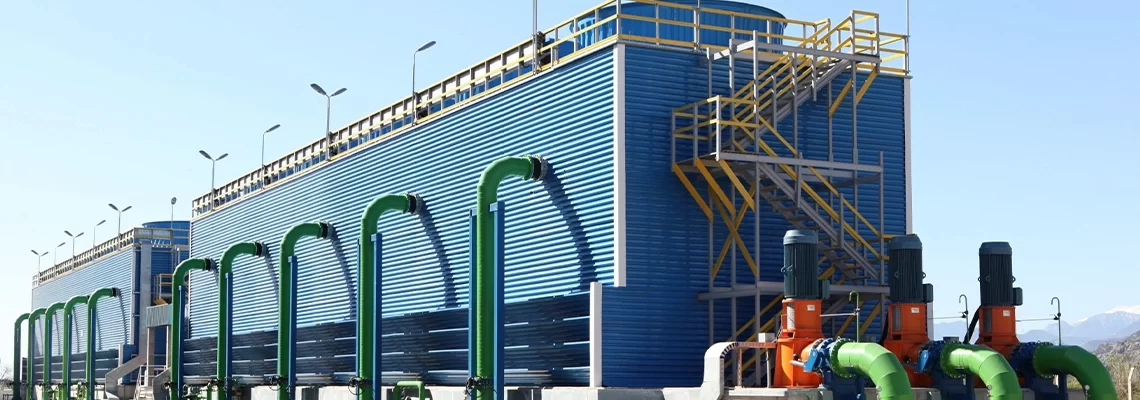
Legionellosis is a severe form of pneumonia caused by the bacterium Legionella Pneumophila which is naturally present in freshwater environments, such as lakes and rivers, and can be found in moist soil. Other sources include hot tubs, saunas, fountains and cooling towers. Researchers say the vapor or mist—particularly from rooftop cooling towers—can carry the pathogen for thousands of feet.
People become infected when they inhale contaminated water droplets or mist. Symptoms include fever, cough, muscle aches, headache, diarrhea, nausea, and shortness of breath. Legionnaires’ disease is diagnosed through chest X-rays and blood tests and is treated with antibiotics, such as azithromycin or levofloxacin. Early diagnosis and treatment are crucial, as the disease can be fatal.
Sadly, this deadly disease doesn’t have to make the news at all because it is completely preventable.
There is plenty of federal, state and local regulatory oversight to prevent Legionnaires’ Disease. Since we know that building water systems and cooling towers are a frequent source of legionella, regulations specifically name building owners and operators as responsible for the maintenance and water quality of their properties’ plumbing systems to prevent its growth and spread. Most states and many local jurisdictions have requirements regarding the registration, use, inspection and maintenance of cooling towers and building water systems. They address:
- Inspection and Certification – these regulations will specify the procedures and particulars for registering, inspecting and certifying cooling towers. Details regarding the timeframes and intervals for inspection and certifications as well as what professional licensing/certification is required to perform these tasks.
- Culture Sampling, Cleaning and Disinfection – this will determine the frequency of cleaning, disinfection and sampling. It will specify when initial legionella cultures should be taken, and the parameters for starting up and shutting down systems. There will most likely be specifications regarding the use of biocides and the training requirements for those performing these tasks.
- Maintenance Programs and Plans – the minimum requirements of a maintenance program can be found in Section 7.2 of ANSI/ASHRAE 188-2015 Legionellosis: Risk Management for Building Water Systems. The plan must consist of the sampling schedules, emergency sampling due to an issue affecting the cooling tower, prompt testing and interpreting Legionella results, and recordkeeping / data available for review by local and state officials. State and local requirements may be more comprehensive.
- Recordkeeping – this will define the level, means and methods documenting all the above, including how long records must be kept.
As an example, New York City has experienced multiple deadly outbreaks over the past five years although it passed Local Law 77 of 2015, which originally mandated the registration, maintenance, and 90-day inspections of cooling towers in NYC. In 2019 it was updated through Local Law 76 to require building owners to formally report the dates of their 90-day Legionella sampling and inspections to the NYC Dept. of Health and Mental Hygiene and included a provision for the NYC Department of Buildings to make the results of cooling tower inspections publicly available. Following this Summer’s outbreak , a bill was introduced to the NY State Senate (2025-S8472) proposing:
- Mandated biannual certification of cooling towers
- Required weekly testing and inspection
- Increased penalties for violations
- Extended reporting requirements
Currently, all owners and operators of cooling towers in New York must abide by New York State Department of Health (DOH) regulations concerning operation and maintenance of cooling towers, evaporative condensers or fluid coolers. This regulation requires registration and periodic reporting, testing, inspection, and certification.
Registration
- All cooling towers must be registered using an online process. http://www.ny.gov/services/register-cooling-tower-and-submit-reports
- The following information is needed for registration:
- Building Details
- Street address of the building where the cooling tower is located
- Name, address, telephone number and email of all owners of the building
- Equipment Details
- Intended use of the cooling tower
- Cooling tower manufacturer, model number, and specific unit serial number
- Cooling capacity (tonnage) and basin capacity
- Commissioning date of the cooling tower
- Equipment Maintenance Details
- Whether systematic disinfection is maintained manually, through timed injection, or through continuous delivery
- The contractor or employee engaged to inspect and certify the cooling tower
- Date of last routine culture sample collection, sample results, and date of any required remedial action
- Date of any legionella sample collection, sample results, and date of any required remedial action
- Date of last cleaning and disinfection
- Dates of start and end of any shutdown for more than five days
- Date of last certification and date when it was due
- Date of last inspection and date when it was due
- Date of discontinued use
- Building Details
For assistance with compliance and answers to questions about Legionella, please contact Novisal.