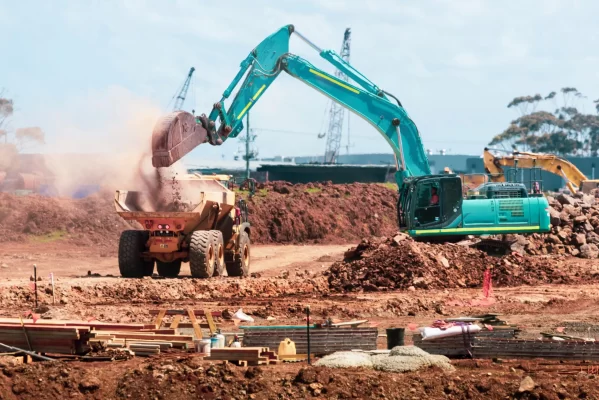
Many government agencies designate an independent Safety Professional, with specific experience and training, to oversee health and safety on construction sites under their authority—particularly when it comes to multi-employer sites, involving many subcontractors and trades.
A Health and Safety Officer (HSO) or Site Safety and Health Officer (SSHO) on a construction site is responsible for developing, implementing, and enforcing safety policies to prevent accidents, injuries, and fatalities. They serve as the primary guardian of site safety, ensuring compliance with OSHA, state and local regulations. Their role is not just administrative; they are highly visible, active, and empowered to stop work if unsafe conditions are identified.
Key Responsibilities of an HSO or SSHO:
- Daily Inspections: Performing regular site walks to monitor site-specific hazards, such as dust, noise, weather, electrical, energized tools /machinery, traffic, and falling and tripping hazards to name a few, and control or remove them before they cause incidents and health issues.
- Compliance Enforcer: Ensuring all on-site personnel—including subcontractors—adhere to regulations, Site Specific Health and Safety Plans, owner Safety Programs, Emergency Action Plans, and all controlling EHS documents. They will look for non-compliance and take corrective actions.
- Safety Training: Conducting new employee orientations, daily “toolbox talks,” and specialized training on topics specific to the job site.
- Hazard Mitigation: Reviewing and signing off on Job Hazard Analysis (JHAs), Accident Prevention Plans (APPs) and Activity Hazard Analyses (AHAs) for high-risk activities.
- Incident Investigation: Leading investigations into injuries, property damage, or near-misses to identify root causes and implement corrective actions.
- Emergency Response: Developing emergency plans and acting as the focal point during evacuations, fires, or medical emergencies.
- Documentation & Record Keeping: Maintaining daily safety logs and reports to records near-misses, incidents, accidents, training documents, and the results of investigations.
Differences in Roles:
- SSHO (Site Safety & Health Officer): Often specifically refers to the full-time role required on federally funded projects, demanding strict adherence to the U.S. Army Corps of Engineers EM 385-1-1 manual.
- HSO (Health & Safety Officer): A broader term for safety professionals on private or public construction sites, focusing on OSHA compliance.
- vs. Superintendent: While a Superintendent focuses on production, scheduling, and logistics, the SSHO and HSO focuse exclusively on doing that work safely.