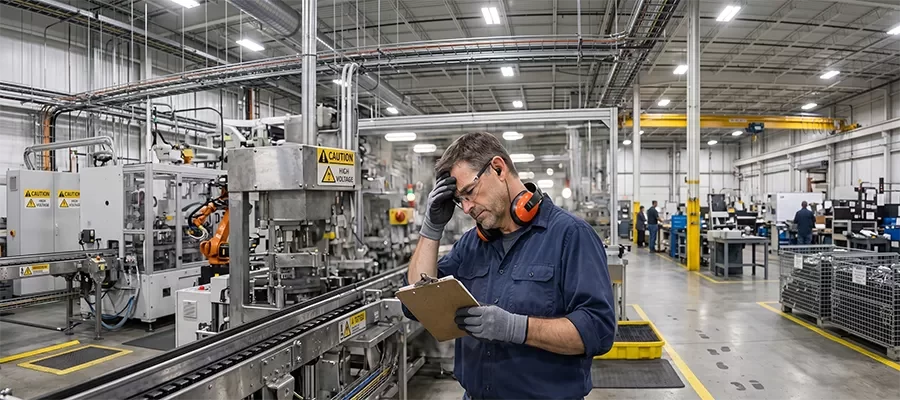
Workplace Stress Has Real Consequences
Poor mental health and workplace stress are not typically viewed as traditional safety issues like other hazards; however, OSHA views mental health as an integral component of overall worker well-being, recognizing that stress, burnout, and trauma directly diminish workplace safety. The agency emphasizes that these psychological hazards can impair job performance and increase the risk of physical accidents.
Every day, workers balance job demands, changing schedules, personal responsibilities, and the ordinary pressures of life. Over time, those pressures can add up. Stress, burnout, anxiety, and other mental health concerns can affect how people feel, communicate, make decisions, and perform their work.
Research indicates that roughly 83% of U.S. workers suffer from work-related stress. This stress directly impacts safety, with fatigue and distractions, and is estimated to contribute to 13% of all workplace injuries. Some studies suggest perhaps over 50% of workplace injuries and errors are tied to mental health issues like stress and anxiety.
Specifically, workplace stress degrades safety in several measurable ways:
- Distraction and Lapses: Stressed employees have slower reaction times and reduced cognitive processing, making them miss hazards and lose focus on safety protocols.
- Rushing: Under deadline pressures or heavy workloads, workers are more likely to take unsafe shortcuts.
- Fatigue: Chronic stress often causes poor sleep, leading to reduced focus and a higher likelihood of accidents, particularly when operating equipment or vehicles, and slips, trips and falls.
The Employer’s Role
The good news is that employers can play a positive role in supporting mental well-being. A workplace where people feel respected, supported, and comfortable asking for help can make a meaningful difference. Simple actions—such as encouraging open conversations, reducing stigma, and sharing available resources—can help create a safer and healthier environment for everyone. Employers should:
- Create a workplace free from judgment and stigma.
- Promote available mental health and wellness resources.
- Encourage workers to seek help when needed and take advantage of workplace programs.
Train managers and supervisors to recognize warning signs and have supportive conversations about mental health.
The Employer’s Role
OSHA offers several resources to help employers and employees address workplace stress and mental health, providing practical tips and outreach materials to help organizations recognize, discuss, and manage workplace stress. While there is no specific OSHA standard dedicated solely to psychological safety, the agency addresses mental health in the workplace through several avenues:
- The General Duty Clause: Under the OSH Act, employers are required to provide a workplace free from recognized hazards likely to cause death or serious physical harm. OSHA can apply this clause to investigate severe harassment, workplace violence, or emotionally traumatic events.
- Official Resources: OSHA provides specific guidance on its workplace stress webpage, workplace mental health fact sheet, and fatigue prevention webpage. There are educational materials designed to help businesses address trauma, substance use disorders and prevent suicide.
- Recordkeeping: Under OSHA Recordkeeping Requirements, mental illnesses caused by work-related stress are generally only recordable on the OSHA Form 300 log if a physician or licensed healthcare professional provides a formal opinion that the illness is work-related.
Industries Impacted by Stress more than Others
It’s probably not surprising that the healthcare, transportation, construction, and manufacturing sectors are the most impacted by stress-related accidents and injuries.
| Industry Sector | Primary Stress Factors | Resulting Accidents & Incidents |
|---|---|---|
| Healthcare & Social Assistance | Chronic burnout, long shifts, severe understaffing, and psychological trauma. | Patient handling errors, sharps injuries, and high rates of physical exhaustion leading to medication mistakes. |
| Transportation & Warehousing | Tight delivery deadlines, irregular sleep schedules, isolation, and extended driving times. | Vehicle collisions and forklift mishaps caused by cognitive fatigue, distraction, or slower reaction times. |
| Construction | Demanding project schedules, intense physical strain, and high-pressure work cultures. | Lapses in hazard awareness, leading to fatal falls, getting caught in heavy equipment, or shortcutting safety PPE. |
| Manufacturing | Repetitive assembly line tasks, strict production quotas, and continuous loud environments. | Machinery crush injuries and tool mishaps due to momentary loss of focus or rushing to meet targets. |