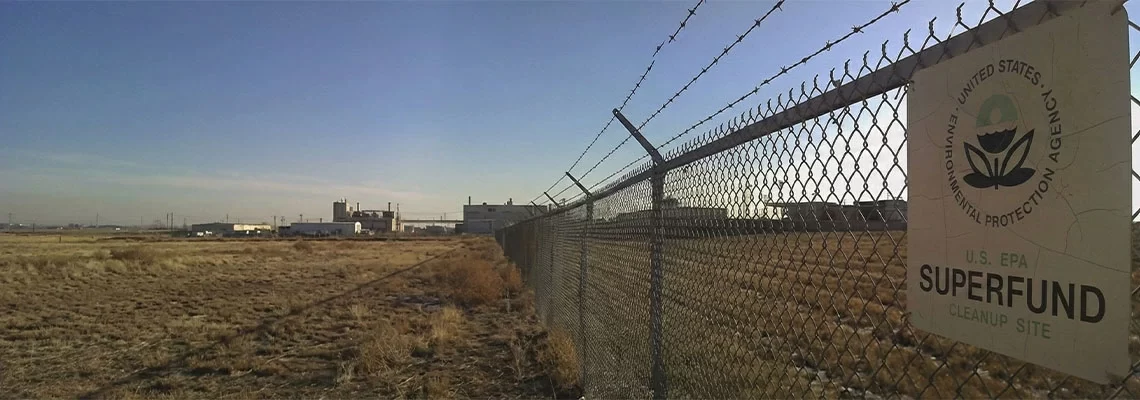
OSHA requires a written Site-Specific Health and Safety Plan (SSHASP) under the Hazardous Waste Operations and Emergency Response (HAZWOPER) Standard, 29 CFR 1910.120(b). This includes work done during the cleanup of uncontrolled hazardous waste sites, or on any construction project where there is known contamination on site and its removal will be part of the project.
An uncontrolled hazardous waste site is defined as a location where hazardous substances have been improperly managed, released, or abandoned, posing a threat to public health, safety, or the environment.
The EHS Professionals at Novisal have reviewed 100s of SSHASPs. While OSHA is very specific about what needs to be included in a SSHASP, we have found that far too many are not well written, and many more are not site-specific but simply a copy of an old HASP, partially updated with new location and personnel information. The SSHASP is an important document. A poorly written plan can result in project delays, or worse, mishandling of the site’s hazardous waste causing safety issues for the workers and the public. While using a boiler-plate HASP can save time, a detailed, site-specific plan that addresses the project’s actual safety and health concerns is well worth the time spent by reducing the risk of incidents, accidents and work stoppages.
Because Novisal’s staff has also authored many SSHASPs, we understand the benefits of a properly written plan and its importance to a successful project. While OSHA identifies the key parts of a SSHASP, to assure that it is the tool it is intended to be, we are providing the top 10 elements needed to develop a solid Site-Specific Health and Safety Plan.
- Project and Site Information: Include the project name, location, start/end dates, and a description of the work to be done.
- Hazard Identification and Assessment: Document all potential chemical, physical and biological hazards specific to the site and project, such as hazardous materials, uncontrolled hazardous waste, physical site conditions, possible vectors, and weather conditions.
- Hazard Prevention and Control Measures: Detail the safety controls and procedures for managing identified hazards, including the required Personal Protective Equipment (PPE).
- Emergency Action Plan: Outline specific procedures for dealing with emergencies, including first aid protocols, fire safety, and evacuation plans.
- Roles and Responsibilities: Clearly define who is responsible for safety compliance and implementing safety procedures, including any “Stop Work Authority”.
- Communication and Coordination: Establish clear communication expectations among all site workers, including subcontractors.
- Training and Education: Specify training requirements, such as site-specific safety orientations and regular toolbox talks, to ensure all workers understand the plan.
- Incident Management and Reporting: Detail the process for managing and reporting any incidents or accidents that occur on site.
- Site Rules and Security: Include a list of general safety rules and security measures for the site, such as designated smoking areas.
- Program Evaluation and Improvement: Implement a process for evaluating the safety plan’s effectiveness and for revising the plan to reflect changes in the project or regulations.